Who Should Use a Slim Patch? Ideal Body Types & Fitness Levels

If you have been browsing “cosmetic slimming” options lately, you have probably seen patches marketed for “inch loss goals,” belly smoothing, or helping you feel a little more confident in fitted clothes. And if you are wondering who should use a slim patch, you are not alone. Infact most of us are not looking for a miracle that wearning a slim patch would do. But people want something simple that is easy to use and see if that works, like a product you can apply in seconds and move on with your day.
Therefore this guide is written for slim patch users in the United States. It provide a clear, grounded explanation based on how OTC patches are typically formulated and labeled. No hype, no brand names, and no medical advice. A simple practical guidance, plus the kind of things people tend to share in wellness communities: what felt worth it, who liked it, and who usually did not.
What Is a Slim Patch?
A slim patch is a skin applied patch marketed for body contouring support, temporary smoothing, or “inch loss” style goals. In the OTC world, these patches typically fall into two broad categories:
- Cosmetic patches
These focus on skin feel and appearance in a target area. Think temporary tightening, smoothing, or helping the skin look more toned. They may use cosmetic ingredients or botanicals. - Supplement style transdermal patches
These claim to deliver ingredients through the skin for support such as energy, appetite support, or water balance. In practice, transdermal delivery of many common supplement ingredients via a patch is a complicated topic of discussion. That is why it is better to stay grounded in what the product label actually promises and how reputable manufacturers phrases their claims.
A good rule is, if the label reads like a Supplement Facts panel, treat it like a supplement product and apply the same caution you would with capsules or gummies.
Read more: What Is a Slim Patch? Uses, Ingredients, and Realistic Results
Start With the Supplement Facts Label
When people in US wellness communities talk about slim patches, the most helpful advice is usually not “pick it based on your body.” It is “pick it based on your label and your sensitivity.”
Here is what to look for on a typical Supplement Facts label or ingredient list:
- Stimulants such as caffeine or botanical sources of caffeine
These may feel helpful for energy but can be a poor fit if you are sensitive to stimulants or have sleep issues. - Botanical extracts sometimes used in cosmetic slimming, water balance, or body feel support
Examples include herbs marketed for digestion, fluid balance, or metabolism support. These can still interact with medications. - Skin active ingredients such as menthol, capsicum style extracts, or essential oil components
These are often used for a warming or cooling sensation and may irritate sensitive skin. - Adhesives and carrier ingredients
Many “side effects” people report in forums are actually adhesive irritation, not the active ingredients.
If a patch does not clearly disclose ingredients, usage instructions, and warnings, that is a pass.
Who Should Use a Slim Patch? The Best Fit in Real Life
Slim patches tend to work best for a specific kind of shopper: someone who wants modest, realistic support and is already doing at least a few basics consistently.
1. People with realistic cosmetic slimming expectations
If your goal is “I want my midsection to look a bit smoother in a dress” or “I want to feel less puffy around my waistline,” you are closer to the right mindset.
Many users in US communities describe the best experience as:
- feeling a temporary tightening sensation
- less bloating or “puffy” look when they are already eating fairly consistently
- a small boost in routine motivation because it is easy to use
2. People who are already doing foundational habits
Slim patches make the most sense when they are treated like an add on, not the main plan.
You are a better candidate if you are already doing some of the following:
- walking most days
- lifting weights or doing bodyweight workouts a few times per week
- eating decent protein and fiber most days
- limiting high sodium meals when you are aiming to look less puffy
3. People who like structured routines and “set it and forget it” products
A patch is appealing if you:
- forget capsules
- dislike pills
- want a simple daily ritual that keeps you consistent
4. People with mild “inch loss goals,” not major weight loss goals
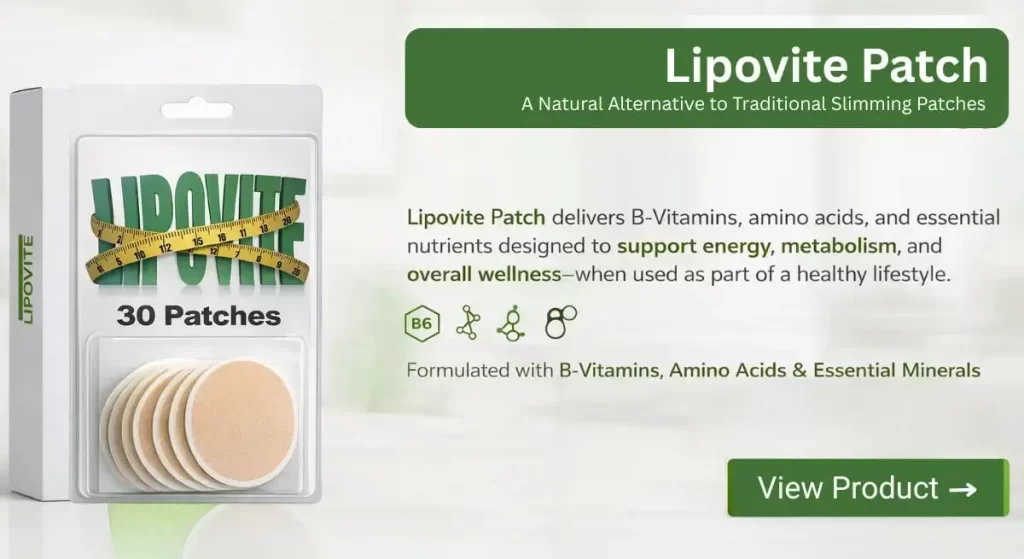
For many consumers, “inch loss” is really about water retention, bloating patterns, posture, and body composition changes from strength training. A patch can be a small piece of that puzzle for the right person. The Lipovite Patch is sometimes considered an alternative to slimming patches for inch-loss goals when combined with diet and exercise.
Ideal Body Types and Fitness Levels
Body type matters less than your habits and expectations. Still, some patterns show up repeatedly in real world use.
Fitness level fit overview
| Fitness level | Who it often fits best | Why it can work well | Where to be careful |
|---|---|---|---|
| Beginner | People starting a walking or light workout plan | A patch can support consistency and daily routine | Do not expect the patch to replace nutrition or activity |
| Intermediate | People training 3 to 5 days weekly | Often chasing “tightness” or a more defined look | Watch stimulant stacking with pre workout products |
| Advanced | Leaner individuals focused on body composition | May like cosmetic smoothing for photos or events | Expectations can be too high if body fat is already low and changes are slow |
Body composition fit (not “body shape” stereotypes)
- Higher body fat, early stage lifestyle change:
A patch can be a motivational add on, but most visible changes come from nutrition, movement, sleep, and time. - Moderate body fat, actively training:
This is where people often report the best “I notice something” experience, especially around temporary puffiness and day to day waistline fluctuation. - Lower body fat, already quite lean:
A patch is unlikely to create dramatic changes. If you already have visible definition, “inch loss” expectations can backfire because the remaining changes are typically slow and training driven.
Concrete Examples of Who a Slim Patch Is For
Here are a few very normal scenarios.
- The office walker with a consistency problem
You walk 20 minutes after work, but you forget supplements. A slim patch feels easy. You use it as a daily cue to drink water, hit your steps, and keep dinner balanced. - The strength training beginner aiming for a smoother waistline
You are lifting 3 times per week and want to look a bit more “snatched” in 8 to 12 weeks. A patch may help you stay consistent, but your “inch loss goals” will mostly come from training plus food habits. - The frequent traveler who feels puffy
Travel can mean more sodium, less sleep, and less movement. Some users like patches during travel weeks for routine support and a “less puffy” feel. Just remember that puffiness often comes from salt, hydration, and sitting time.
Who Should Probably Skip a Slim Patch (Or Ask a Professional First)
Even OTC products are not one size fits all. You should be extra cautious if any of the following apply:
- You are pregnant, trying to conceive, or nursing
- You have a heart condition, uncontrolled blood pressure, thyroid disease, liver or kidney disease, or diabetes
- You take prescription medications, especially stimulants, blood thinners, mood medications, or blood pressure meds
- You have very sensitive skin, eczema, psoriasis, or frequent allergic reactions
- You are under 18
Also, if you have a history of disordered eating, any product marketed around slimming can be psychologically triggering. Your wellbeing comes first.
Slim Patch Side Effects: What Users Commonly Report
When people ask about Slim Patch Side Effects, the most common ones discussed in consumer communities are pretty practical:
- Skin irritation where the patch sits, including redness or itching
Often linked to adhesives, fragrances, menthol, or warming ingredients. - Headache, jitteriness, or sleep disruption
More likely if the patch contains caffeine or stimulant botanicals, or if you also use coffee, energy drinks, or pre workout. - Nausea or stomach discomfort
Less common with patches than oral supplements, but possible depending on the ingredients and your sensitivity.
Tips that many users find helpful:
- Patch test on a small area first
- Rotate application sites as directed
- Do not apply to broken or freshly shaved skin
- Remove the patch if you feel burning or significant irritation
If you develop a strong reaction, stop using it and seek medical care.
Slim Patch vs Slimming Creams: Which Makes More Sense?
People often compare Slim Patch vs Slimming Creams because both are “apply it to your body” products.
| Feature | Slim patch | Slimming creams |
|---|---|---|
| Convenience | Very easy, apply once | Can be messy, often applied 1 to 2 times daily |
| Ingredient delivery | Fixed dose style, depends on patch design | Rubbed in, can vary based on amount used |
| Skin feel | Adhesive contact for hours | Immediate feel, can be oily or sticky |
| Irritation risk | Adhesive irritation possible | Fragrance and actives can irritate too |
| Best use case | People who want simple routines | People who like massage and skincare rituals |
If you love skincare routines, creams can feel more “spa like.” If you want low effort consistency, patches win for convenience.
Are Slim Patches Better for Inch Loss?
This is one of the most searched questions, including “Are Slim Patches Better for Inch Loss?” The honest, label grounded answer is:
- If “inch loss” means fat loss, no OTC patch should be treated as a standalone solution.
- If “inch loss” means temporary waistline fluctuation, posture, less bloating, and better consistency, some users feel patches are a helpful add on.
In US communities, the most believable “wins” usually sound like:
- “I looked less puffy after a few consistent weeks.”
- “It helped me stay on track with walking and meal prep.”
- “My clothes fit a bit better, but I also cleaned up my diet.”
That combination is what tends to move the needle.
How to Choose a Slim Patch Like a Smart Buyer
Use this quick checklist:
- Read the Supplement Facts panel
Look for clear ingredient amounts and daily usage directions. - Check warnings and stimulant content
If it contains caffeine, treat it like caffeine. - Avoid mystery blends if you are sensitive
“Proprietary blend” can hide exact amounts. - Look for basic manufacturing credibility
Reputable OTC supplement manufacturers in the US commonly reference cGMP practices and quality testing. Do not treat that as a guarantee, but it is a good sign. - Be realistic about timelines
If you are tracking “inch loss goals,” measure no more than once weekly under consistent conditions.
Bottom Line
If you are still asking who should use a slim patch, the best answer is: someone who wants a simple, low effort add on for cosmetic slimming goals and understands the patch is not a replacement for nutrition, movement, and sleep.
The “ideal body type” is not a shape. It is a person with realistic expectations, a consistent routine, and a willingness to read the Supplement Facts label like a smart consumer.
Resources:
What Is a Slim Patch? Uses, Ingredients, and Realistic Results
What Does Current Evidence Say About Slim Patch Results and Timeline?