What Is a Slim Patch? Uses, Ingredients, and Realistic Results
Walk through any OTC supplement store, wholesale catalog, or clinic retail shelf and you will see it: the slim patch. Sometimes it is called a slimming patch, inch loss patch, body slimming patch, or even a transdermal slim patch. The promise is usually the same, just phrased a little differently. Support metabolism. Reduce cravings. Help with belly fat. Smooth the look of cellulite. Feel lighter.
If you have ever bought for a weight loss clinic or stocked an OTC aisle, you already know why customers like patches. They feel simple. No mixing, no big pills, no “I forgot.” You put it on and you move on with your day.
But what is a slim patch, really? And how is it different from a typical weight loss patch sold in the United States? This guide breaks it down, grounded in what reputable medical sources have said for years about transdermal delivery, supplement claims, and realistic expectations.
What is a slim patch?
A slim patch is a stick on patch marketed for body slimming support. In the US, most slim patches are sold as dietary supplements or cosmetic style wellness products, depending on what they claim and how they are labeled.
In simple terms, a slim patch is usually designed to do one of these things:
- Provide ingredients through the skin, or at least claim to
- Offer “weight management support” messaging in a convenient format
- Focus on cosmetic slimming goals like the appearance of a smoother waistline or thighs, rather than actual fat loss
This distinction matters. Many cosmetic slimming products are designed to support look and feel, not actual weight or fat reduction. Language around “tightening” or “smoother appearance” is common and should be understood as cosmetic in nature, not a medical or fat-loss claim.
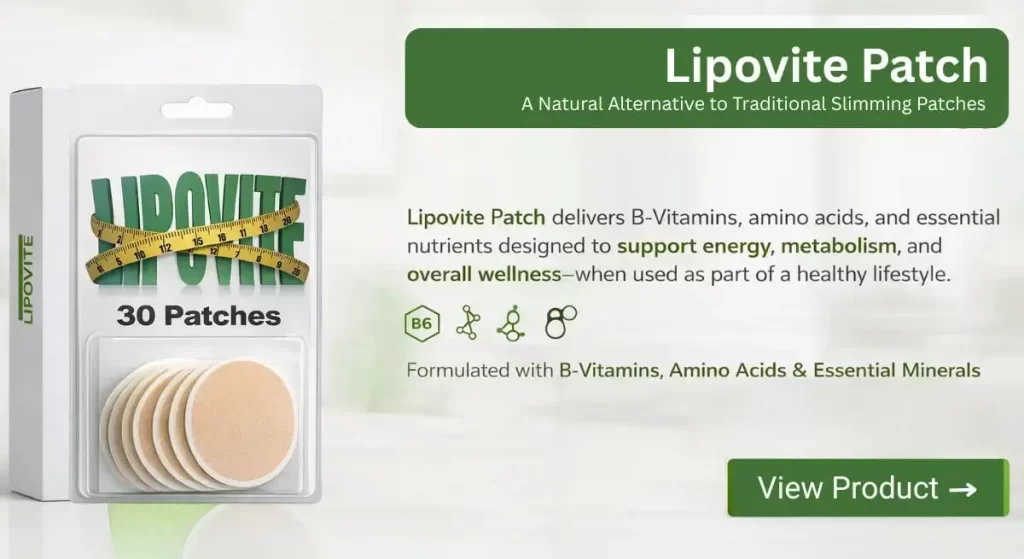
For example, Lipvoite Patch is promoted as a weight-loss patch and is commonly categorized as a slimming patch.
Slim patch vs weight loss patch in the United States
People often use these terms interchangeably, but from a practical buying and compliance standpoint, it helps to separate them.
Here is a simple comparison you can use when evaluating product lines and claims.
| Feature | Slim patch | Weight loss patch (US market phrasing) |
|---|---|---|
| Common marketing angle | Cosmetic slimming, inch loss support, cravings support, “detox” language | Weight loss support, appetite control, metabolism support |
| Typical claim style | “Helps reduce the appearance of…” “Supports body contour” “Cosmetic slimming” | “Supports weight management” “Supports fat metabolism” “Helps control appetite” |
| Regulatory risk if claims get too strong | Moderate to high if it implies fat loss or disease treatment | High if it implies treating obesity or producing drug like effects |
| What many consumers expect | “I want my midsection to look flatter” | “I want the scale to drop” |
| What realistic results often look like | Small changes in water retention look, temporary smoothing, better routine adherence | At best, modest support if paired with diet and activity, often less than users expect |
In the United States, anything that claims to treat obesity or create meaningful weight loss through the skin starts to brush up against drug type expectations in the consumer’s mind, even if the product is sold as a supplement. That is why many suppliers position these as “slim” and “body contour” rather than direct “weight loss.”
How do slim patches work, realistically?
Most of the credibility question comes down to one word: absorption.
Transdermal delivery is real in medicine. Nicotine patches and certain hormone patches work because the active ingredient, dose, and delivery system are engineered for skin absorption. That is a high bar.
For OTC slimming patches, the situation is different. Many use botanical ingredients, minerals, or stimulants. Some may absorb to a limited degree. Some may not absorb meaningfully at all. The patch still may help in other ways, like routines and behavior.
Here are the most realistic ways slim patches may help consumers:
1. Convenience and consistency
If someone forgets capsules, a patch feels easy. Consistency can matter more than people admit. You see this in clinics and retail. People like “set it and forget it” products.
2. Behavioral cue effect
A patch can act like a physical reminder. It is on your skin, so you remember your goals. This is not magic, but it is real behavior psychology.
3. Mild stimulation or soothing sensation
Some patches include ingredients that create a warming or cooling feel. That can create a sense of “working,” which increases user satisfaction even when actual fat loss is not happening.
4. Cosmetic effect, not fat loss
Some body slimming patch products are essentially cosmetic slimming aids. They may temporarily improve the look of skin texture by hydration, occlusion, or mild tightening. This is similar to how some body wraps feel “slimming” for a short time.
Slim Patch Ingredients Explained
If you are sourcing for weight loss clinics, retail, or wholesale, the best habit is to read the Supplement Facts label like a skeptic and a helper at the same time. Ask two questions:
- What is the ingredient, and what does the research say about oral use versus skin use?
- Is the dose disclosed, and is it even plausible through a patch format?
Below are common slim patch ingredients you will see in the US market, explained in a grounded way. This is not an endorsement. It is a buyer friendly overview.
Common ingredient categories
a) Stimulant and metabolism support style ingredients
- Caffeine (sometimes listed as caffeine anhydrous or from green tea)
- Green tea extract (EGCG)
- Guarana extract
- Capsaicin or capsicum extracts
Reality check: Oral caffeine has evidence for temporary alertness and minor metabolic effects, but transdermal delivery in OTC slimming patches is less predictable. People sensitive to stimulants should be cautious.
b) Appetite and cravings support style ingredients
- Garcinia cambogia (HCA)
- Gymnema sylvestre
- 5 HTP
- Chromium (often chromium picolinate)
Reality check: Evidence varies. Some ingredients have mixed results even orally. Through skin delivery, the evidence base is thinner. Also note interaction potential, especially with mood related ingredients like 5 HTP.
c) Water balance and “detox” positioned ingredients
- Dandelion extract
- Green coffee bean extract
- Various “herbal blends”
Reality check: The body already detoxifies via liver and kidneys. “Detox” is often marketing shorthand. Water weight shifts can change how someone looks temporarily, but it is not fat loss.
d) Skin and cosmetic slimming oriented ingredients
- Menthol
- Camphor
- Essential oils
- Mineral clays, if used in a patch pad
Reality check: These are more about sensory feel and cosmetic experience.
What to look for on a high quality label
- Full ingredient disclosure and clear amounts, not just “proprietary blend”
- Allergen statements and warnings
- Stimulant disclosure if caffeine is included
- Reasonable directions for use, like duration and placement
- Clear claim boundaries, “supports” rather than “melts fat”
Slim Patch Myths vs Facts
This is the part wholesalers and clinic buyers end up explaining to customers anyway, so it helps to say it plainly.
| Myth | Fact |
|---|---|
| A slim patch melts belly fat where you place it. | Spot reduction is not how fat loss works. Placement may matter for comfort, not targeted fat loss. |
| If it tingles, that means fat is burning. | Tingling is usually a sensory ingredient like menthol or capsicum. It is not proof of fat loss. |
| Slimming patches are basically the same as prescription patches. | Medical transdermal patches use tested delivery systems and specific active drugs. Most OTC slim patches do not have that level of evidence. |
| Detox patches pull toxins out through your feet. | This is not supported in the way it is marketed. Color changes in pads are often from moisture and oxidation. |
| You will lose 10 pounds in a week with a transdermal slim patch. | Rapid scale drops are usually water shifts. Sustainable fat loss is slower and depends primarily on diet and activity. |
Who Should Use a Slim Patch (and who should not)
This section matters for responsible retail and clinic placement.
People who may like a slim patch
- Adults who want a simple routine support product alongside a structured plan
- People who dislike capsules or powders
- Customers seeking cosmetic slimming benefits like a smoother look in certain areas
- Clinic patients who want a non intimidating add on product for adherence, not a miracle
People who should be cautious
- Anyone sensitive to stimulants, if the patch contains caffeine or similar botanicals
- People with skin sensitivity, eczema, or adhesive allergies
- Anyone pregnant or nursing
- People taking prescription medications, especially for blood pressure, mood, thyroid, or blood sugar, because supplement ingredients can interact
Again, not medical advice. The safest path is always clinician review when there is any doubt.
Slim Patch vs Slimming Creams
Retail buyers often ask whether to carry patches, creams, or both. They scratch different itches for consumers.
| Category | Slim patch | Slimming creams |
|---|---|---|
| Convenience | Very high, apply once and forget | Requires rubbing in, sometimes twice daily |
| Sensory feel | Mild, steady | Often strong warming or cooling |
| Cosmetic expectations | Often “inch loss patch” positioning | Often “tightening” and “firming” positioning |
| Skin tolerance | Adhesive can irritate | Fragrance and actives can irritate |
| Compliance | Usually easier | Depends on user habit |
A practical strategy: if you are a clinic or retailer, position creams as cosmetic body care and patches as routine support. Keep the claims clean and realistic.
Realistic results: what to expect in the real world
Here is the honest middle ground that keeps customers satisfied and protects your reputation:
- A slim patch is not a standalone weight loss solution.
- Some users report reduced snacking, better routine adherence, or feeling more “on track.”
- Cosmetic slimming changes are often subtle and temporary, especially if they are driven by water balance or skin feel.
- Scale weight changes, if they occur, usually come from overall lifestyle changes, not the patch alone.
A concrete example you have probably seen: a customer starts a clinic program, improves protein intake, walks more, sleeps better, and uses a body slimming patch daily. Two weeks later they say, “I think the patch helped.” The patch may have supported adherence or cravings. The heavy lifting still came from the plan. That is a good outcome, as long as expectations were set correctly.
Where the patch itself matters is in what it actually contains. Formulas vary widely between brands, and so does price per day — we broke down the leading options in our 2026 weight loss patch reviews.
Quality and compliance tips for US clinics, retail, and wholesale buyers
If you are sourcing slim patches at scale, vetting matters.
- Ask for GMP documentation for the manufacturer, if applicable
- Request COAs for key ingredients and contaminant screening where relevant
- Check that claims are phrased as structure and function support, not disease treatment
- Ensure the label includes warnings, stimulant disclosure, and skin irritation guidance
- Avoid products that promise extreme, fast weight loss or guaranteed inch loss
The fastest way to lose customer trust is to overpromise. The fastest way to build repeat sales is to sell a product that does what it reasonably can, and to explain it clearly.
Frequently Aksed Questions
What is a slim patch used for?
A slim patch is used for weight management support or cosmetic slimming goals, but it all depends on the product and label ingredients as marketed to support craving, metabolism, or a smoother looking midsection or thighs.
Do slim patches work for belly fat?
They are not proven results to show it melts the belly fat. Some may see temporary changes if they stick to a broader plan that may lead to fat loss over time.
What ingredients does a slim patch contain?
Slimming patches may include caffeine, green tea extract, guarana, garcinia cambogia, chromium, or various herbal blends. Check supplement facts label and warnings for any skin sensititvity.
Are transdermal slim patches better than pills?
Not automatically. Medical transdermal patches are engineered for absorption, but many OTC transdermal slim patch products have less predictable delivery. Patches can still be helpful for convenience and routine adherence.
How long does it take to see results with an inch loss patch?
Fat loss typically requires consistent workout activity along with nutrition over a longer period of time. However inch loss are often subtle. It may show up as changes in routine behavior, cravings, or temporary appearance shifts within a few weeks.
Is a slim patch the same as a weight loss patch in the United States?
In everyday speech people mix the terms, but slim patch often leans more cosmetic slimming, while “weight loss patch” implies stronger weight change claims. In the US, stronger claims increase regulatory and reputational risk, so many products stay in “support” language.
Closing thought
A slim patch can be a smart add on product for clinics and OTC retail but only when it is positioned correctly. It can be a convenience based support tool and, in some cases, a cosmetic slimming aid.
Resources:
Slim Patch vs Slimming Creams and Gels: Which Works Better?
What Does Current Evidence Say About Slim Patch Results and Timeline?
Who Should Use a Slim Patch? Ideal Body Types & Fitness Levels