OTC Weight Loss Pills Versus Prescription Medications – What’s Right for You?
Losing weight is a path many take to better their health, feel good about themselves, and live better. But with so many pills and add-ons out there, picking the right one can be hard. Two main types often talked about are: Over-the-Counter (OTC) weight loss pills or prescribed injections.
So, in this full guide, we will lay out the main ways they are not the same, the good and bad sides, what to think about for safety, and what results people see in real life from both kinds. This will help you pick based on your health aims, how you are doing health-wise, and how you live.
What Are OTC Weight Loss Pills?
OTC fat loss pills are diet aids or drugs you can get without a doctor’s note. You can pick them up at drug stores, online shops, or even in big food stores.
Common Types of OTC Weight Loss Pills include:
- Fat Burners – Boost metabolism and encourage fat loss.
- Appetite Suppressants – Reduce hunger and cravings.
- Carb Blockers – Prevent the digestion of some carbohydrates.
- Thermogenics – Increase body heat to burn calories.
- Diuretics – Help shed water weight temporarily.
Popular Ingredients in OTC Weigh Loss Pills contains:
- Green Tea Extract
- Caffeine
- Garcinia Cambogia
- CLA (Conjugated Linoleic Acid)
- Glucomannan
- Apple Cider Vinegar
- Forskolin
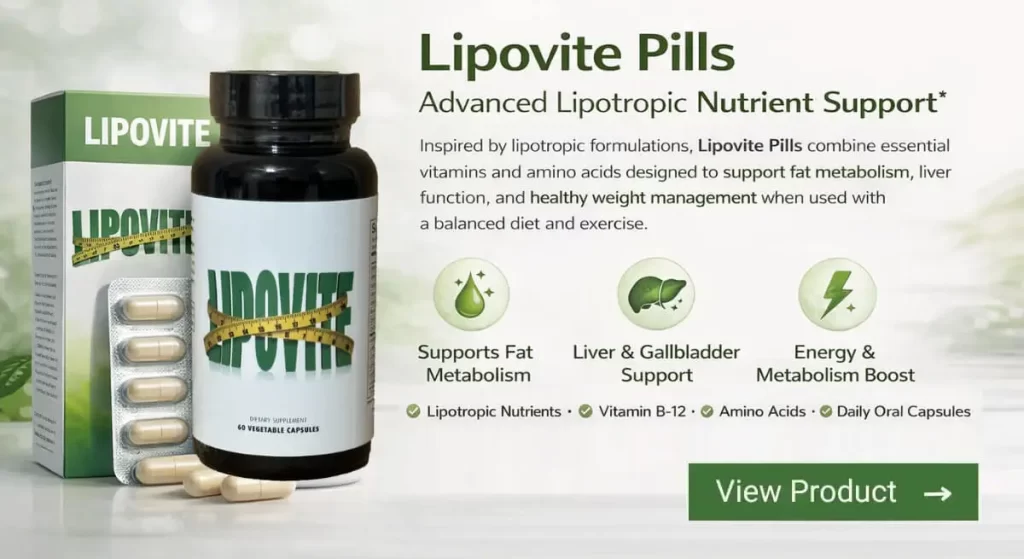
Lipovite Weight Loss Pills by Healthier Manner is a common examples of natural OTC fat loss pills. They contains all natural ingredients to support your body’s weight and metabolism.
Benefits of OTC Pills:
- They are easily accessible
- Generally more affordable for patients
- No doctor visit is required
- You can find variety of natural options
Drawbacks:
- Limited scientific evidence for some ingredients
- May cause side effects like jitters, nausea, or headaches
- Results may vary greatly between individuals
- Not regulated as strictly as prescription drugs
What Are Prescription Weight Loss Medications?
These drugs for losing weight need a doctor’s approval and come from people who can give out drugs by law. Groups like the FDA (Food and Drug Administration) say they are safe to use. They are often given to people who are very heavy (BMI 30+) or quite heavy (BMI 27+) and have health issues from their weight.
Common Drugs for Weight Loss include:
- Phentermine – makes you less hungry and more alert
- Orlistat (Alli, Xenical) – stops fat from being taken in
- Lorcaserin (Belviq) – changes brain stuff to make you less hungry
- Naltrexone-Bupropion (Contrave) – puts together two drugs to keep hunger and wants in check
- Liraglutide (Saxenda) – first made for sugar sickness; lowers hunger
- Semaglutide (Wegovy, Ozempic) – strong drug that acts on body signals for weight loss
Benefits of Prescription Medications:
- Backed by clinical trials and FDA approval
- Often more effective for substantial weight loss
- Monitored by medical professionals
- Can treat underlying metabolic issues
Drawbacks:
- It require a prescription
- They come at a higher cost
- May have serious side effects (e.g., high blood pressure, liver issues)
- Not suitable for everyone
Key Differences at a Glance
| Feature | OTC Weight Loss Pills | Prescription Medications |
|---|---|---|
| Availability | No prescription needed | Requires doctor prescription |
| Cost | Generally low to moderate | Can be high, may need insurance |
| Scientific Backing | Varies, limited for many | Backed by FDA and trials |
| Side Effects | Mild to moderate | Can be serious |
| Effectiveness | Varies widely | Generally more effective |
| Monitoring | Self-guided | Doctor-supervised |
When to Choose OTC Weight Loss Pills
You might consider OTC weight loss pills if:
- You are in the early stages of your weight loss journey
- You prefer natural ingredients
- You want a milder approach to weight management
- You’re looking for affordable, accessible solutions
- You are generally healthy with no chronic conditions
Best Practices for OTC Use:
- Always read the label carefully
- Research each ingredient for potential side effects
- Stick to recommended dosages
- Combine with a balanced diet and exercise
When to Consider Prescription Medications
Prescription options may be better suited if:
- You have a BMI over 30, or over 27 with conditions like diabetes or hypertension
- You’ve tried diet and exercise with no significant results
- You have underlying metabolic issues
- You want a doctor-monitored, clinically proven plan
Things to Discuss With Your Doctor:
- Your full medical history
- All supplements you’re currently taking
- Existing conditions like thyroid issues, diabetes, or heart disease
- Previous experiences with weight loss supplements or medications
Combining the Two Approaches: Is It Safe?
Some people wonder if they can combine OTC weight loss supplements with prescription medications. While this can sometimes be effective, it must be done under strict medical supervision to avoid dangerous interactions.
Potential Risks of Combining:
- Overlapping ingredients (e.g., caffeine) leading to overdose
- Increased risk of heart palpitations, high blood pressure, or anxiety
- Liver or kidney strain
Safer Alternatives:
- Rotate between OTC and prescription (not simultaneously)
- Use OTC supplements for maintenance after completing a prescription plan
Quick Summary
- OTC Pills: Great for beginners, cost-effective, and made from natural ingredients.
- Prescription Meds: Suitable for serious weight loss needs, clinically backed, and doctor-supervised.
- Combo: Only under medical supervision.
Make your choice based on health goals, medical needs, budget, and supervision.
Final Verdict: What’s Right for You?
There’s no one-size-fits-all answer when it comes to weight loss pills. The right choice depends on your health status, goals, preferences, and budget.
Choose OTC Weight Loss Pills if:
- You want a natural and flexible approach
- You don’t qualify for prescription drugs
- You’re looking to supplement an existing fitness regimen
Choose Prescription Meds if:
- You have a significant amount of weight to lose
- You’ve struggled with obesity for years
- You want a high-efficacy, doctor-guided approach
Whatever route you choose, remember: weight loss is most sustainable when paired with lifestyle changes like healthier eating, regular exercise, sleep management, and stress control.
FAQ — People Also Ask
- Which OTC weight loss pills are the safest? Common choices seen as safe include green tea extract, glucomannan, and CLA if used as told. But, always talk to your doctor first.
- Do weight loss meds from the doctor work better than OTC pills? Yes, most times, meds from the doctor have more study proof and tend to work better for large weight loss.
- Can I use OTC and doctor’s weight loss pills at the same time? Only if a doctor says it’s okay. Using both can be not safe because they might have the same stuff in them.
- Which diet pill works the fastest? Doctor-given ones like Semaglutide and Phentermine often work faster than over-the-counter picks, more so for very overweight people.
- Do diet pills truly work? A few do help a bit (3-7%) with losing weight, mostly when you also eat well and move more. Check for parts that are proved by studies, like caffeine, green tea bits, or glucomannan.
About Healthier Manner
At HealthierManner.com, we provide access to safe, effective, and science-backed OTC weight loss supplements for your wellness journey. Our weight loss aids feature natural ingredients, transparent labeling, and real customer reviews—because we believe in health, not hype.
Healthier Manner has 25 years of rich experience in dealing with OTC supplements connecting individuals, doctors and clinics offering weight loss programs. Top range of products include natural supplements for weight loss and energy. Popular categories include Pills, Patches and Liquids.
Explore our natural weight loss dietary products and find your perfect fit!
Medical Disclaimer:
Always consult a healthcare professional before starting any weight loss program or taking new supplements or medications.
Related Posts
Types of Weight Loss Supplements Over-the-Counter That Actually Work Naturally
The Best OTC Weight Loss Supplements In 2026 (Pills & Capsules)